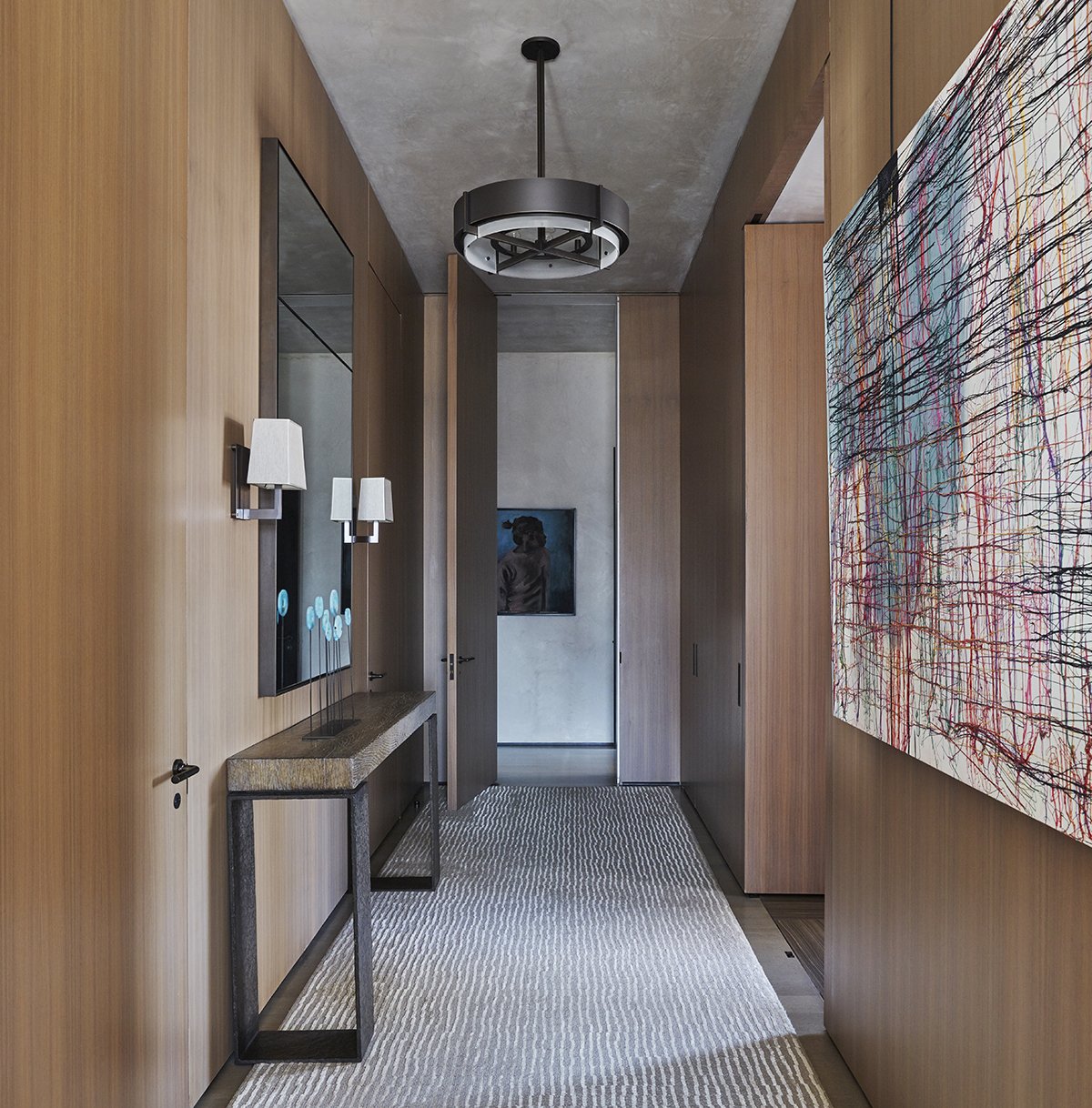
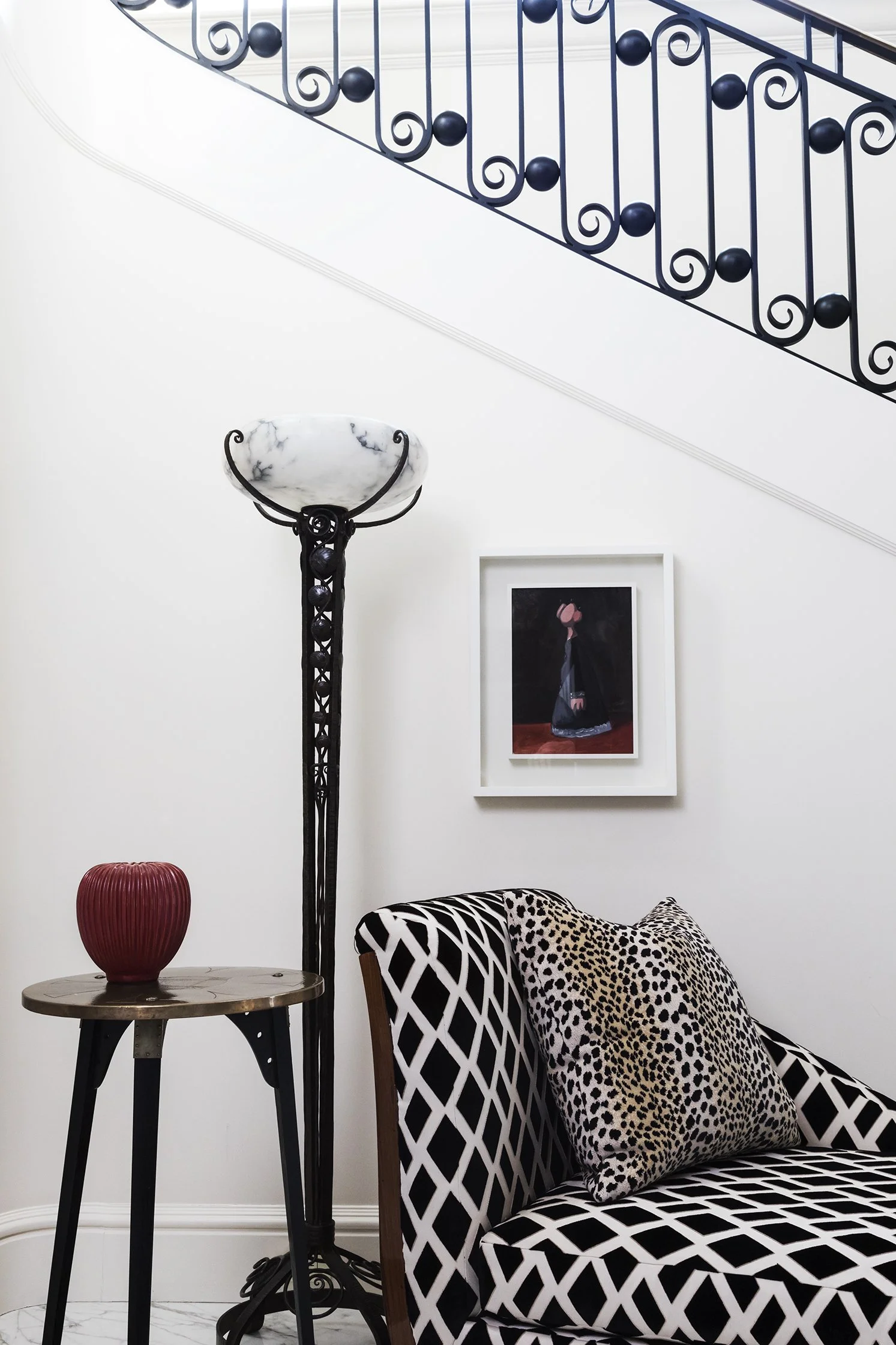
WILLIAM McINTOSH DESIGN is an international design firm whose 30+ year legacy of imagination and unmatched execution continue to define and embody some of the world’s most exquisite spaces, and redefine modern luxury.
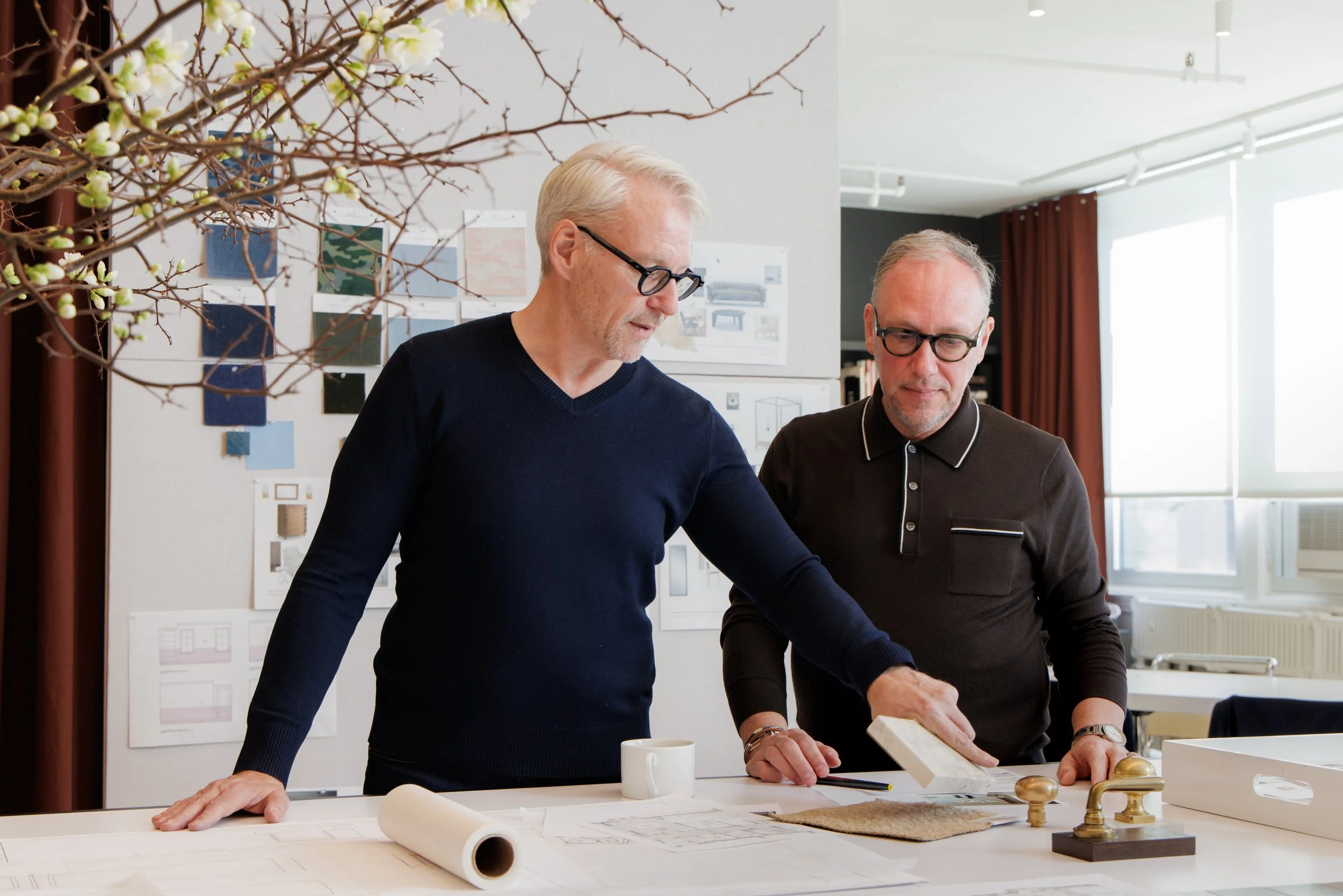
Led by award-winning partners William McIntosh and Martin Raffone. The firm works with a select number of private clients — founders, collectors, and global families — to design primary residences, secondary homes, and multi-property portfolios of enduring quality. The firm's commissions are bespoke by definition, its clients discerning by nature, and its engagements long-term by design.
Based in New York's Flatiron District — in the shadow of one of the city's great architectural landmarks — the studio has completed some of the most refined private interiors in the world: apartments at 432 Park Avenue, the Plaza, the Puck Building, and Herzog & de Meuron's 160 Leroy Street; townhouses in Manhattan and Brooklyn; estates in the Hamptons, Palm Beach, Austin, and the Hudson Valley; and retreats extending from St. Barths and Miami to London, San Francisco, and Marrakech. The work has been recognized in Architectural Digest, Elle Décor, Departures, 1st Dibs Introspective, and Traditional Home, and published in the definitive volumes World's Finest Apartments and Signature Interiors.
Individually conceived, meticulously crafted, and resolutely livable.
The firm's approach is rooted in a belief that the finest interior expresses both the personality of its owners and the particular character of its place. McIntosh and Raffone work from that understanding outward — taking into account the architecture, the collection, the life being lived — and infuse every space with light, comfort, delight, and the kind of considered surprise that distinguishes a truly personal interior from a merely beautiful one. Their work is at once familiar and revealing: it embraces both the period and the modern, both grand gesture and quiet detail, always in service of an environment that is inviting, stylish, and above all, somewhere one genuinely wants to be.
Many of the firm's clients maintain residences across cities and continents. William McIntosh Design manages that complexity with discretion and complete ease — ensuring consistency of vision, continuity of standards, and the kind of seamless coordination that allows clients to arrive at any home and find it exactly as it should be. The firm understands not only the aesthetic value of what it creates, but the long-term asset value of exceptional residential design, and brings that perspective to every commission from the first conversation.
The relationships that matter most to this firm are not measured in projects, but in years.
William McIntosh studied interior design at Pratt Institute, where the program was grounded in architectural theory, before joining the studios of Timothy MacDonald and Bray-Schaible Design — two of the defining practices of the era. He established his namesake firm in 1990, beginning with a beach house commission in the Hamptons that led, by word of mouth, to the body of work seen here. He is widely regarded as one of the designers to bring ultra-luxury into the mainstream of American interior design, a standard he has spent thirty-five years refining rather than relaxing.
Martin Raffone's formation began at Stephen Sills Associates, one of the most quietly influential decorating practices in New York, before he joined Franklin Salasky at B-Five Studio — a firm whose exacting commissions across Park Avenue and the Hamptons established a particular standard of complete, custom residential work that remains a clear thread in everything Raffone brings to his practice today. He brings to the firm a master's command of layered interiors — the confident juxtaposition of textiles, colors, and objects across many of the world's best design resources — as well as a deep knowledge of Moroccan craft traditions developed during years spent between New York and Marrakech, where he opened Maison LAB, a home and design store in the city's emerging New Town. The two partners formalized their collaboration after recognizing that working together consistently elevated their work beyond what either could produce independently. That instinct has proven correct in every project since.